


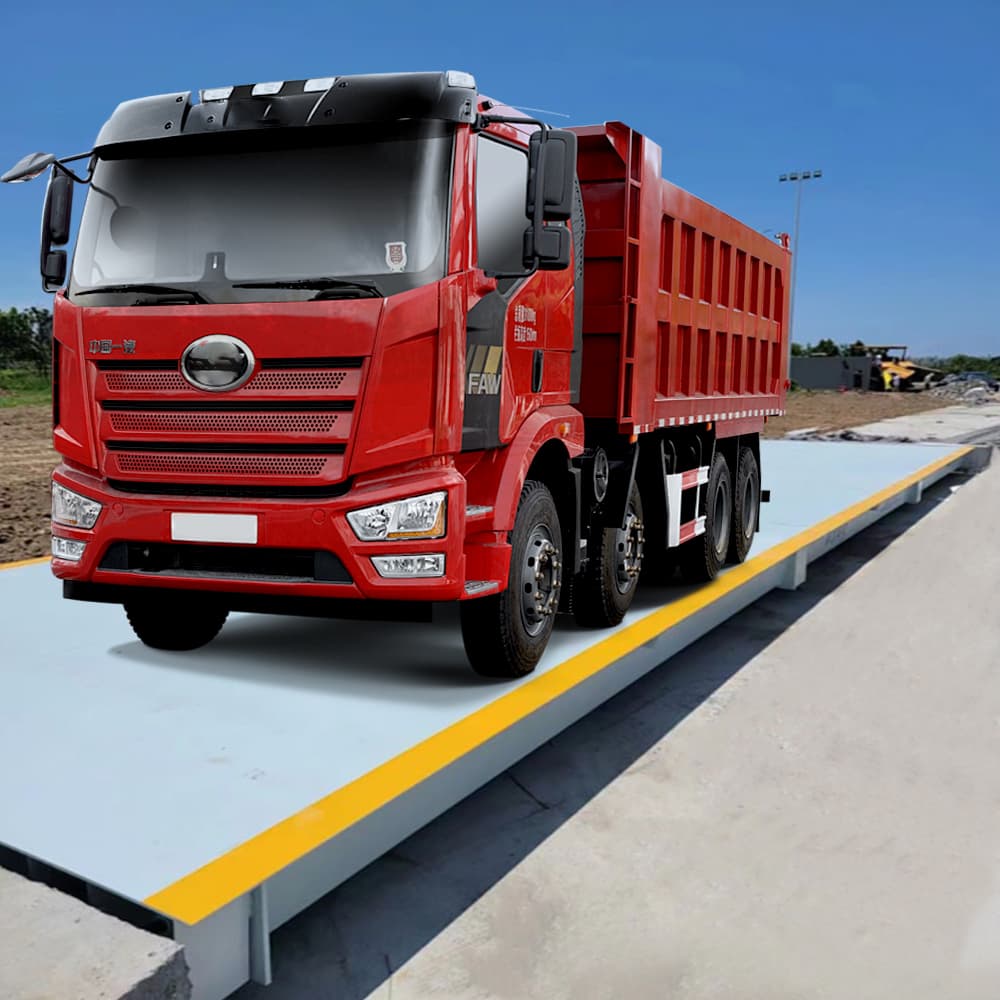
Not all weighbridges are the same. While every weighbridge is designed to measure vehicle weight accurately, different industries and operating environments require different types of weighbridge systems. Choosing the right type of weighbridge can improve operational efficiency, reduce maintenance costs, and ensure accurate weighing results for years to come. Understanding the various weighbridge options available is the first step toward selecting a system that matches your business requirements. What Is a Weighbridge? A weighbridge is a large industrial scale used to determine the weight of vehicles and their loads. Businesses use weighbridges to monitor incoming and outgoing goods, maintain accurate records, and reduce losses caused by inaccurate measurements. Modern weighbridges are used in industries such as: Manufacturing Agriculture Logistics Mining Construction Warehousing Ports and terminals The type of weighbridge selected often depends on available space, vehicle traffic, environmental conditions, and operational goals. Surface-Mounted Weighbridges Surface-mounted weighbridges are installed above ground level and are accessed using ramps on both sides. These are among the most common weighbridge designs used across many industries. Advantages Easier installation Lower civil works requirements Faster project completion Easier inspection and maintenance Reduced construction costs Applications Surface-mounted weighbridges are commonly used in: Warehouses Manufacturing facilities Agricultural operations Logistics centers Distribution hubs They are particularly suitable where sufficient space is available for vehicle ramps. Pit-Mounted Weighbridges Pit-mounted weighbridges are installed within a concrete pit, allowing the platform surface to remain level with the surrounding ground. This design eliminates the need for ramps. Advantages Efficient use of limited space Easier vehicle access Cleaner site appearance Suitable for locations with restricted movement areas Applications Pit-mounted weighbridges are often used in: Urban industrial facilities Ports Container terminals Locations with limited available land Although installation may require more civil engineering work, they provide excellent traffic flow where space is constrained. Electronic Weighbridges Electronic weighbridges use advanced load cells and digital indicators to provide highly accurate weight measurements. These systems have largely replaced older mechanical designs because of their accuracy and ease of use. Advantages High accuracy Fast weighing process Digital record keeping Software integration Low operating effort Applications Electronic weighbridges are widely used across nearly every industry that relies on vehicle weighing. Digital Weighbridges Digital weighbridges represent the next generation of weighing technology. Instead of traditional analog communication, digital load cells transmit weight information electronically with improved precision and diagnostic capabilities. Advantages Enhanced accuracy Improved stability Better fault detection Resistance to signal interference Easier troubleshooting Applications Digital weighbridges are commonly selected by businesses that require: High-volume operations Advanced reporting Greater reliability Long-term performance Portable Weighbridges Portable weighbridges are designed for temporary or mobile weighing applications. Unlike permanent installations, they can be moved between locations when necessary. Advantages Mobility Reduced installation requirements Temporary deployment capability Faster setup Applications Portable weighbridges are often used in: Construction projects Mining operations Temporary industrial sites Seasonal agricultural activities Modular Weighbridges Modular weighbridges are manufactured in sections that are assembled on-site. This approach simplifies transportation and installation. Advantages Faster installation Easier transportation Scalability Reduced project delays Applications Modular systems are commonly used where transportation logistics are challenging or rapid deployment is required. Steel Weighbridges Steel weighbridges are constructed primarily using heavy-duty steel structures. They are popular because of their durability and ease of installation. Advantages Strong structural performance Faster installation Easier relocation Proven reliability Applications Steel weighbridges are suitable for: Logistics operations Industrial facilities Agricultural businesses Manufacturing plants Concrete Deck Weighbridges Concrete deck weighbridges combine reinforced concrete with advanced weighing technology. These systems are often selected for demanding environments. Advantages Long service life Reduced deck wear Excellent durability Suitable for heavy traffic Applications Concrete deck weighbridges are often used in: Mining operations Ports High-traffic industrial sites Heavy-duty transport facilities Which Type of Weighbridge Is Best? There is no single weighbridge that is best for every business. The ideal choice depends on: Available space Vehicle traffic volume Environmental conditions Budget Required capacity Future growth plans A logistics company may prefer a surface-mounted electronic weighbridge, while a port facility with limited space may benefit more from a pit-mounted system. Similarly, businesses requiring advanced automation may choose digital load cell technology for greater accuracy and reporting capabilities. Final Thoughts Understanding the different types of weighbridges helps businesses make informed decisions when investing in a weighing system. From surface-mounted and pit-mounted designs to digital, portable, modular, steel, and concrete weighbridges, each option offers unique advantages for specific applications. The right weighbridge should not only meet current operational requirements but also support future growth, efficiency, and long-term reliability. A well-chosen weighbridge can become one of the most valuable assets in any operation that depends on accurate vehicle weighing.
Kira Scales Limited
Need Industrial Weighing Equipment?
We supply, install, and maintain weighbridges, floor scales, crane scales, and more across all 36 states in Nigeria. Free site survey on all weighbridge projects.
Related Articles
Discover weighbridge prices in Nigeria, installation costs, and key factors affecting total pricing in this 2026 buyer’s guide.