


Installing a weighbridge is a major investment for any business that depends on truck weighing. Whether it is for logistics, agriculture, mining, manufacturing, or industrial operations, a weighbridge must be installed correctly to deliver accurate results and long-term reliability. Unfortunately, many businesses focus only on buying the weighbridge and overlook the importance of proper installation. A small installation mistake can lead to inaccurate readings, structural damage, costly repairs, and operational downtime. In this guide, we highlight common weighbridge installation mistakes and how to avoid them. Why Proper Weighbridge Installation Matters A weighbridge is not just a steel platform placed on the ground. It is a precision weighing system that depends on: Correct engineering Proper foundation Accurate load cell positioning Good drainage Electrical stability Professional calibration

If any part of the installation is done poorly, the entire weighing system can be affected. This can lead to: Wrong weight readings Frequent breakdowns Business losses Customer disputes Expensive maintenance Mistake 1: Poor Site Selection One common mistake is choosing the wrong installation site. Some businesses install weighbridges in locations with: Poor drainage Weak soil Limited truck access Sharp turning points Flood-prone areas This can create long-term operational problems. How to Avoid It Always carry out a professional site inspection before installation. Engineers should assess: Soil condition Water flow Vehicle movement Available space Foundation suitability

A good site reduces future maintenance problems. Mistake 2: Weak Foundation Construction The weighbridge foundation supports the entire structure and all truck loads. If the concrete foundation is poorly designed or built, problems may occur such as: Platform shifting Structural cracks Uneven load distribution Inaccurate weighing Some businesses try to cut costs by using unqualified civil contractors. This often becomes expensive later. How to Avoid It Use approved engineering drawings and experienced civil contractors. The foundation should include: Reinforced concrete Correct depth Proper curing Drainage provisions Ramp design where required A strong foundation protects the weighbridge for years. Mistake 3: Ignoring Drainage Requirements Water is one of the biggest enemies of weighbridge systems. Poor drainage can cause: Flooded pits Rust Cable damage Load cell failure Structural deterioration This is especially dangerous for pit-mounted weighbridges. How to Avoid It Always include drainage planning during installation. This should include: Water exit channels Drain pipes Slope management Pit waterproofing where necessary A dry weighbridge area improves equipment life. Mistake 4: Incorrect Load Cell Installation Load cells are the heart of the weighbridge. If they are not installed correctly, the weighbridge may give: Inconsistent readings Corner errors False weight values Frequent faults Poor alignment or cable damage during installation can also affect performance. How to Avoid It Load cells should only be installed by trained professionals. Proper installation includes: Correct positioning Alignment checks Waterproof sealing Cable protection Signal testing This ensures accurate load transfer. Mistake 5: Using Low-Quality Components Some businesses focus only on low price and accept cheap components. This can lead to: Load cell failure Poor indicators Wiring problems Rusting structures Frequent breakdowns Cheap systems often become expensive over time. How to Avoid It Choose quality components such as: Certified load cells Strong steel platforms Reliable indicators Quality junction boxes Proper protective coatings Quality matters in industrial weighing. Mistake 6: Skipping Professional Calibration Some businesses assume installation is complete once the weighbridge is physically installed. This is a costly mistake. Without calibration, the weighbridge may not provide accurate readings. How to Avoid It Always carry out professional calibration after installation. Calibration should include: Test weights Corner testing Indicator adjustment Accuracy verification This confirms the system is ready for operation. Mistake 7: Ignoring Electrical Stability Modern electronic weighbridges depend on stable electrical systems. Poor power supply can cause: Indicator faults Signal interruption System damage Data loss This problem is common in industrial environments. How to Avoid It Use: Stable power supply Surge protection Proper earthing Protected cable routing Electrical protection improves system reliability. Mistake 8: No Software Planning Some businesses install a weighbridge without planning how the data will be used. Later they realize they need: Reports ERP integration Vehicle records Ticket printing Central monitoring Retrofitting software later can increase cost. How to Avoid It Plan software requirements before installation. Decide if you need: Basic reporting ERP connectivity Fleet management Multi-site monitoring Custom automation Software planning saves time and money. Mistake 9: No Maintenance Plan After Installation Some businesses only think about the weighbridge during installation and ignore long-term maintenance. This can cause: Accuracy drift Unexpected faults Load cell damage Expensive repairs

How to Avoid It Create a maintenance schedule that includes: Routine inspection Calibration Cleaning Load cell checks Software support Preventive maintenance protects your investment. Why Businesses Choose Kira Scales Limited [Kira Scales Limited](https://www.kirascales.com?utm_source=chatgpt.com) provides professional weighbridge installation with: Site inspection Engineering support High-quality components Installation supervision Calibration services Software integration Preventive maintenance support Professional installation helps businesses avoid costly mistakes and get long-term value. Final Thoughts A weighbridge is a precision industrial system—not just a platform for trucks. Small installation mistakes can create major problems later. Businesses that invest in proper: Site planning Foundation work Quality components Calibration Maintenance enjoy better accuracy, lower repair costs, and reliable performance for years. Installing it right the first time always saves money in the long run. Phone/WhatsApp: +2348034354829 Address: 38 Opebi Rd, Ikeja, Lagos WhatsApp Link: https://wa.me/2348034354829
Kira Scales Limited
Need Industrial Weighing Equipment?
We supply, install, and maintain weighbridges, floor scales, crane scales, and more across all 36 states in Nigeria. Free site survey on all weighbridge projects.
Related Articles
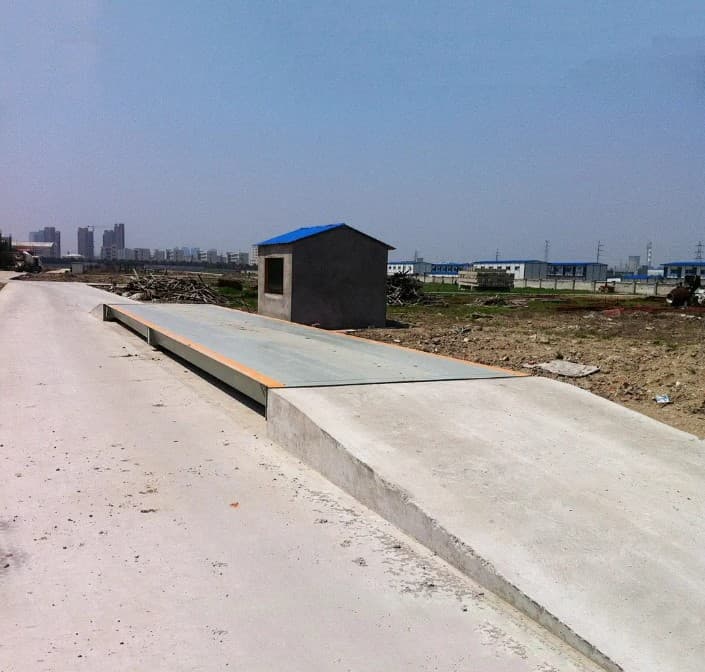
Discover the top benefits of installing a weighbridge for logistics, mining, agriculture, and industrial businesses in Nigeria.